
US Debt Nears $40 Trillion in 5 Months as Bitcoin’s Case Gets Louder
Key Takeaways
- US debt obligations have hit $39.95 trillion, just $50 billion away from the $40 trillion threshold.
- Treasury data show $6.5 billion in daily borrowing, putting the debt total at $50 trillion by July 2029.
- Senator Cynthia Lummis has maintained her BITCOIN Act, targeting 1 million BTC, could cut debt by up to 50%.
The Fastest Trillion in US History
The pace of America’s debt accumulation has become a story unto itself. The country’s first trillion dollars of debt took 192 years to accumulate, arriving in 1981. The next trillion came faster each time, i.e. five years to go from $5 trillion to $10 trillion by 2008, then just five years to climb from $20 trillion in 2017 to $30 trillion in 2022.

The most recent jump, from $39 trillion to the recently breached $39.95 trillion mark, has taken just five months, by far the fastest trillion-dollar increase on record.
What’s Driving the Debt and the Interest Bill
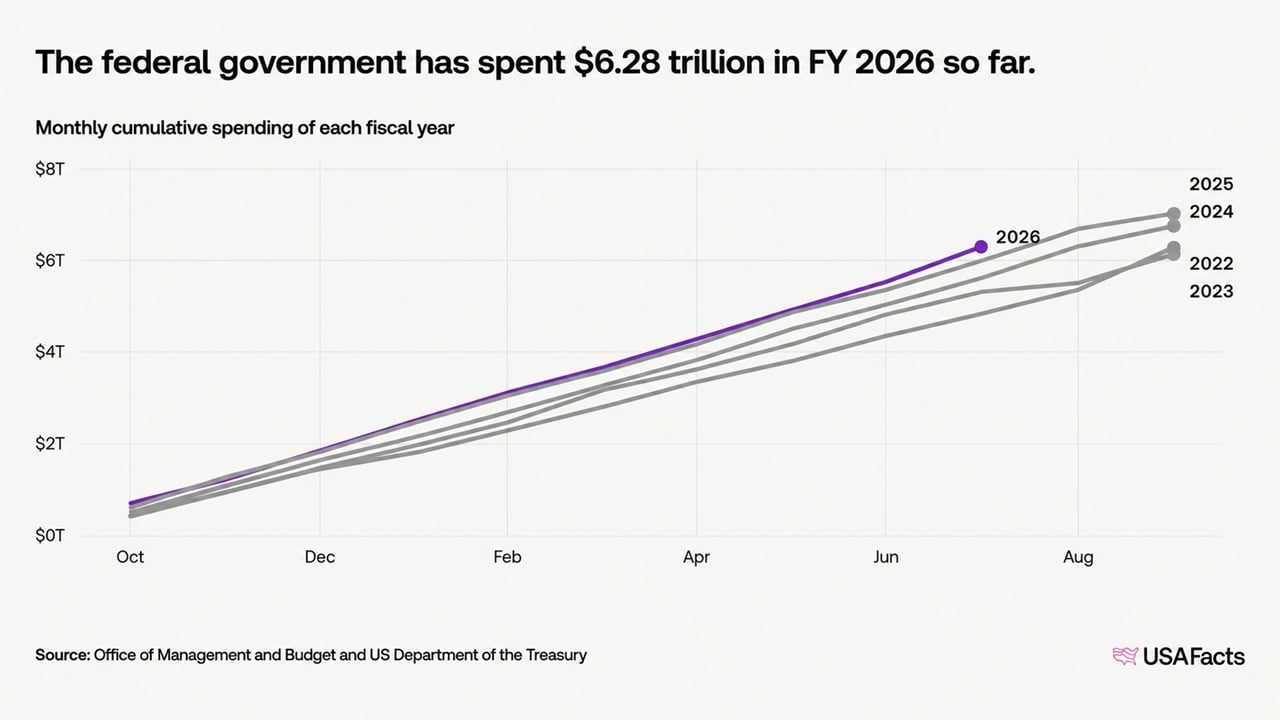
The federal government ran a $432 billion deficit in July alone, pushing the fiscal-year deficit through the first ten months to roughly $1.8 trillion, a figure that already exceeds the entire deficit recorded in fiscal 2025. The Committee for a Responsible Federal Budget’s Maya MacGuineas has pointed to the pace directly, noting the government is now adding “$14 billion per day” and arguing deficits need to fall closer to 3% of economic output to stabilize the trajectory.
Interest costs are a growing share of the problem. Net interest payments on the debt have already topped $1 trillion for the fiscal year, a bill that now exceeds what Washington spends on national defense or Medicare. Total federal debt has climbed to 124% of GDP, with the debt held by outside investors alone standing at roughly 101% of GDP, closing in on the record 106.1% of GDP set in the aftermath of World War Two in 1946.
Bitcoin.com News covered that earlier debt-to-GDP milestone in July, when the ratio first crossed a comparable threshold.
Bitcoin’s Debt Argument Gets Louder
The march toward $40 trillion has fed directly into the crypto industry’s favorite pitch of bitcoin being a hedge against a currency backed by a government that can’t stop borrowing. The argument was recently detailed in an analysis when the debt first crossed $39 trillion in July, and the case has only gained more institutional voices since.
Senator Cynthia Lummis has also been vocal in this regard, and her BITCOIN Act (which would direct the Treasury to acquire up to 1 million BTC over five years and hold the coins for at least two decades) argues it could cut the national debt by a third to a half. Coinbase CEO Brian Armstrong has separately floated using bitcoin as a “hard-backed” check on federal spending, posturing the debt as a constitutional problem as much as a fiscal one.
Lastly, the International Monetary Fund has warned that global public debt could reach roughly 100% of world GDP by 2029 if current trends hold, with the U.S. and China identified as the two biggest drivers. The IMF’s own analysis suggests that scenario could work in bitcoin’s favor, i.e. unlike a yield-driven bond selloff, a debt-solvency crisis can redirect capital toward alternative assets rather than simply draining it from markets (a dynamic bitcoin benefited from during the 2013 Cyprus banking crisis and again during 2023’s U.S. regional banking stress).
Not everyone agrees the trade is working as advertised given that bitcoin and gold have both spent stretches of 2026 falling even as the debt notched record after record, a reminder that the debasement thesis operates on a longer timeline than any single month’s price action.