Tesla is developing wheelchair-accessible cybercabs
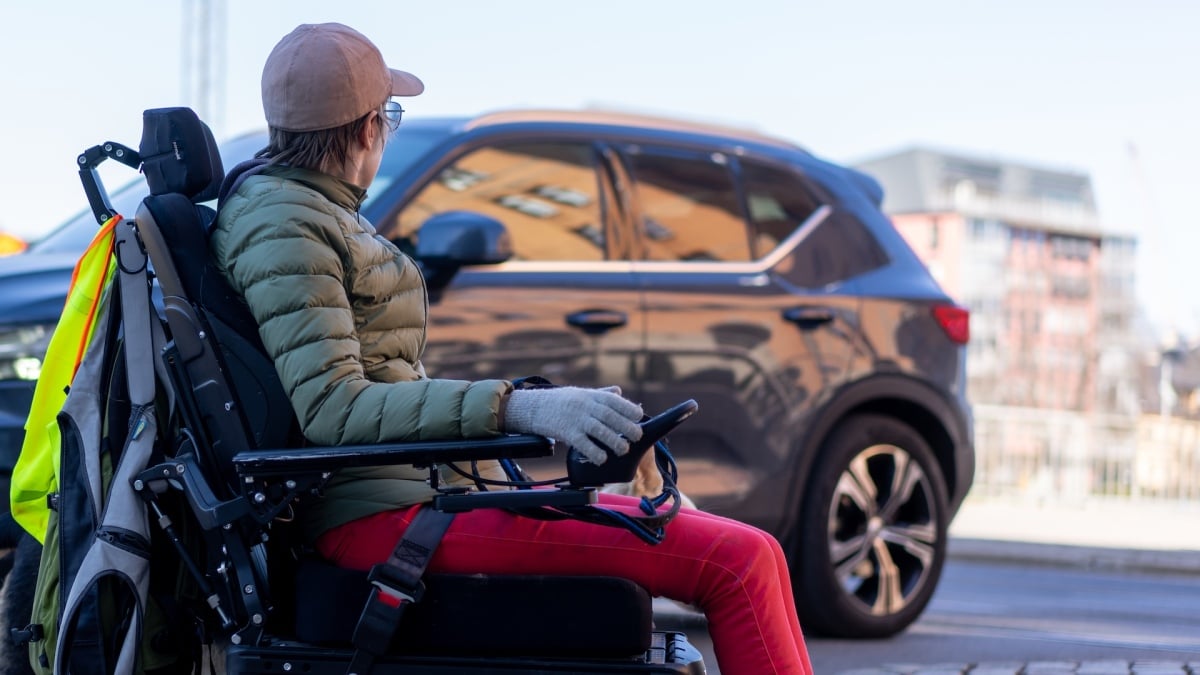
Tesla is developing a wheelchair-accessible autonomous vehicle, at least according to a Tesla lobbyist.
India Herdman, a Tesla senior policy adviser, made the claim on Monday while addressing the D.C. City Council on a proposal to legalize robotaxis in the nation’s capital. Herdman said the wheelchair-carrying vehicle is being developed in Texas, where Tesla is headquartered, but no timetable for production was announced, according to a report in Wired.
Robot, take the wheel: What you need to know about autonomous vehicles rolling out across the U.S.
Currently, no autonomous vehicle companies, including industry leader Waymo, offer wheelchair-accessible vehicles. During the same D.C. City Council meeting, Matt Walsh, Waymo’s regional head of state and local policy, said the Google-owned company is also working on developing such a vehicle, but has been bedeviled by the challenge of identifying “a platform that is fully wheelchair-accessible while also meeting the unique specifications to retrofit that vehicle with our technology.”
Mashable Light Speed
Waymo’s newest autonomous car, the Ojai, has accessibility features like grab bars and a flat floor that’s lower to the ground than its typical Jaguar I-Pace cars. Still, the Ojai cannot accommodate a wheelchair.
Riders in wheelchairs can access vehicles via traditional, human-driven rideshare companies like Lyft and Uber, though the latter company is currently facing a lawsuit from the Justice Department, which accuses it of violating the Americans with Disabilities Act by not doing enough to accommodate disabled riders.
It would be a major coup for Tesla if it were the first company to bring a wheelchair-accessible autonomous vehicle to market, as the Elon Musk-owned company is not yet a leader in the AV space. While Waymo is available in numerous U.S. cities, including San Francisco, Los Angeles, Phoenix, Atlanta, Miami, and Houston, Tesla’s cybercabs are mostly confined to Houston, Dallas, and Austin.
Tesla is indicating it takes accessibility seriously, announcing on its website that the company is “building an autonomous future that is accessible to all people. Our Robotaxi vehicles are designed to support various accessibility needs including space for service animals and room to store some wheelchairs and other assistive devices. The Tesla app is currently available in 29 languages, with more being added.”