
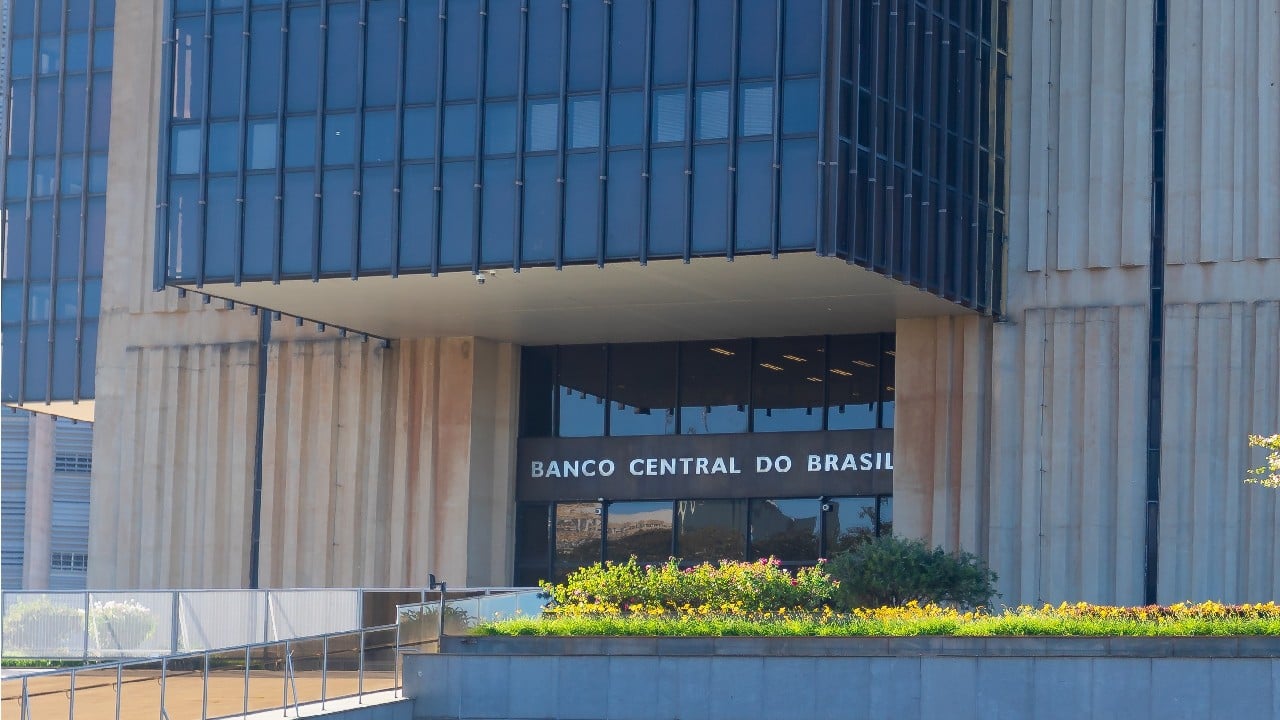
Stablecoins Eclipse Bitcoin in Brazil as Demand Hits $14.68B
Key Takeaways
- Brazil’s crypto demand surged 135% in H1 2026, reaching $14.68B as the market matures and consolidates.
- Dollar-pegged stablecoins drive over 90% of this demand, serving as essential proxies for payments.
- A new 2027 regulatory regime will treat virtual asset providers like securities firms for better oversight.
Central Bank of Brazil’s Statistics Highlight Rise of Crypto and Stablecoin Demand
Brazil, the largest economy in Latam and one of the largest in the world, is experiencing record growth in crypto and stablecoin demand.
According to an external sector statistics report released on Tuesday, the demand for cryptocurrency assets more than doubled in H1 2026, with purchase volumes reaching $14.68 billion. This represents a 135% increase compared to H1 2025, when Brazilians bought $6.24 billion in digital assets.
Although the central bank statistics are not perfect, as they only account for volumes transacted by registered virtual asset service providers (VASPs), they indicate adoption has accelerated, particularly in June, when $2.54 billion in crypto was purchased compared to $1.48 billion in June 2025.
In May 2026, Brazilians purchased nearly $2.632 billion in stablecoins, a 158% increase compared to May 2025.
Fernando Rocha, Head of the Bank’s Statistics Department, told Valor Economico that these numbers indicate consolidation in the national crypto market, which has already gone through its initial phase.
“The crypto asset market is relatively new, not so new anymore. It is still expanding, both in Brazil and around the world. It is consolidating and discovering applications and uses,” he declared.
This demand is driven by dollar-pegged stablecoins, which enjoy high adoption levels as they can serve as dollar proxies for payments and cross-border settlements. Rocha indicated that the demand for stablecoins reached over 90%, an evolution of a market that was concentrated in bitcoin and in other volatile cryptocurrencies a few years ago.
Increased use of stablecoins led the national government to consider a 3.5% levy on all stablecoin transactions. This attempt was ultimately delayed as the current administration switched into election mode.
Even so, Rocha stressed that the central bank’s vision of the national cryptocurrency ecosystem is limited by the current statistical data, explaining that starting next year, the institution will have a more complete view of the destiny of these assets.
The central bank has decided to group VASPs under Class 3, meaning that they will have to comply with the same requirements as securities brokerage firms, securities distribution firms, and foreign exchange brokerage firms. This new regulatory regime, which becomes effective in January 2027, will allow the central bank to identify the destination of these assets.