
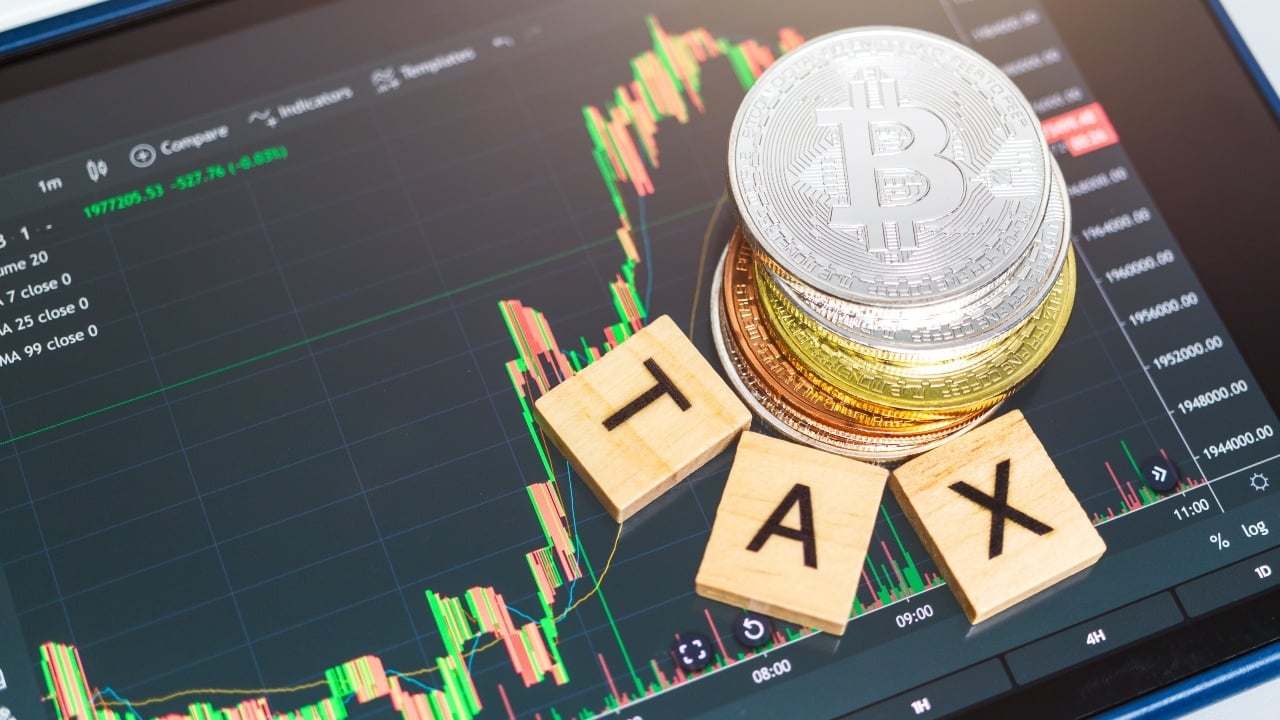
South Korea Pushes Implementation of Crypto Income Tax to 2029
Key Takeaways
- Finance Minister Lee Hyoung-il said South Korea seeks to delay its 22% crypto tax by two years to 2029.
- The proposed 3-year loss carryforward helps offset local exchange burdens and aligns rules with CARF.
- The National Assembly must amend the Income Tax Act ahead of regular 2027 legislative reviews.
South Korea plans to delay its planned capital gains tax on cryptocurrency by another two years to 2029, the government announced Nov. 4, citing the timeline for international data sharing and the need for stronger market regulations. If approved by lawmakers, the proposed delay would mark the fourth time implementation has been pushed back since the tax was first legislated in 2020.
“It is with a heavy heart that I announce another proposed delay in taxation, after its implementation has already been postponed three times,” Finance Minister Lee Hyoung-il said at a press conference in Seoul. “The government will use the two-year period to ensure that taxation of virtual assets can be implemented smoothly in 2029.”
Alongside the delay, the government proposed letting investors carry forward trading losses for up to three years to offset future tax liabilities, bringing South Korea in line with policies in the United States and Britain.
Under current legislation, individuals who generate more than US$1,869 (2.5 million won) in annual net income from transferring or lending digital assets would face a 22% tax, which includes a 20% national capital gains tax and a 2% local income tax. Existing rules do not allow losses to be carried across tax years. Under the new proposal, losses incurred starting in 2029 could be used to reduce taxable gains through 2032. Losses realized prior to the tax’s official start date would remain ineligible.
The decision follows mounting complaints from domestic cryptocurrency exchanges, retail investors, and lawmakers. Local exchanges have warned that unclear reporting standards have delayed the development of tax collection software. Tracking transactions completed on foreign platforms presents another hurdle.
When users transfer tokens acquired abroad to local platforms, domestic exchanges often lack the purchase-price records needed to calculate taxable profit. Ministry officials highlighted that cross-border information exchanges with the U.S. under the OECD-backed Crypto-Asset Reporting Framework (CARF) are scheduled to begin in 2029. Taxing domestic traders before gaining visibility into overseas holdings could put local exchanges at a competitive disadvantage.
The Finance Ministry announced plans to form a public-private working group including industry representatives and legal experts. The panel will refine taxation standards for complex activities and work to streamline tax filing procedures through the first half of next year.
The government plans to work alongside the Financial Services Commission to align tax collection with the proposed Digital Asset Act, a legislative effort designed to set operational standards for digital asset platforms and strengthen consumer protection.
To enact the postponement and the loss carryforward framework, the government will submit legislative amendments to the National Assembly during its current regular session. Lawmakers must amend the Income Tax Act before the current implementation date takes effect. Should the working group recommend further structural changes, the government plans to introduce additional amendments during the National Assembly’s 2027 regular session, with finalized administrative tax guidelines expected in the first half of 2028.