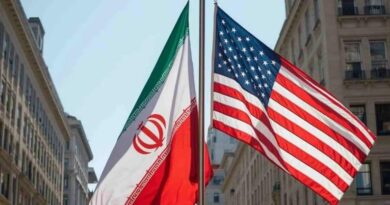

Middle East conflict closes Strait of Hormuz, spikes crude oil prices
## Market Snapshot
The WTI Crude Oil market for May 2026 is currently priced with a 51.5% likelihood of prices hitting $110, reflecting a substantial increase in recent days. For the question of oil hitting $150, the probability remains lower at 20.5%. Meanwhile, the Fed’s interest rate decision for June shows a 1.1% probability of a rate decrease.
## Key Takeaways
– Market pricing suggests that the ongoing Middle East conflict is consistent with high WTI Crude Oil price outcomes in May. – The likelihood of the Federal Reserve decreasing interest rates appears low, potentially due to inflationary pressures from the conflict. – Crude oil prices spiking due to the closure of the Strait of Hormuz may indicate a prolonged impact on global commodity markets.
## Article Body
The economic implications of the ongoing Middle East conflict are becoming increasingly severe, with commodity markets experiencing significant disruptions. Crude oil prices have surged over 10% in the past week, and copper prices have reached historic highs. Analyst Alex Krainer warns that these trends could lead to aggressive global inflation, potentially affecting European and UK markets the hardest. The conflict, which began with US-Israel strikes on Iran, has resulted in the closure of the Strait of Hormuz, a critical chokepoint for global oil and LNG flows. This closure has led to a near standstill in shipping and sustained control indicates a high level of escalation with no resolution in sight.
## Market Interpretation
The market reaction to the Middle East conflict appears to support a YES outcome for WTI Crude Oil reaching significant price targets in May. This is a high impact development, as the closure of the Strait of Hormuz continues to disrupt global oil supplies, driving prices higher. Meanwhile, the probability of the Federal Reserve decreasing interest rates remains low, reflecting concerns over inflationary pressures exacerbated by the conflict.
## What to Watch
Observers should monitor developments in the Middle East, particularly any changes in the status of the Strait of Hormuz. Additionally, watch for statements from the Federal Reserve regarding interest rate policy, as inflationary concerns could influence their decisions. Key actors such as OPEC+ and the US government may also play pivotal roles in shaping market conditions in the coming weeks.
Get prediction market intelligence as a structured API feed. Early access waitlist.