CLARITY Act Faces Narrow Senate Window as Midterm Election Calendar Tightens – Bitcoin News
Key Takeaways
- Senate leaders face pressure to schedule a CLARITY Act vote before election priorities dominate.
- Stand With Crypto says clearer rules could protect consumers, developers, and fintech firms.
- Polling cited by the group suggests crypto policy may sway battleground-state voters.
Stand With Crypto Says Federal Rules for Digital Assets Remain Incomplete as Timeline Tightens
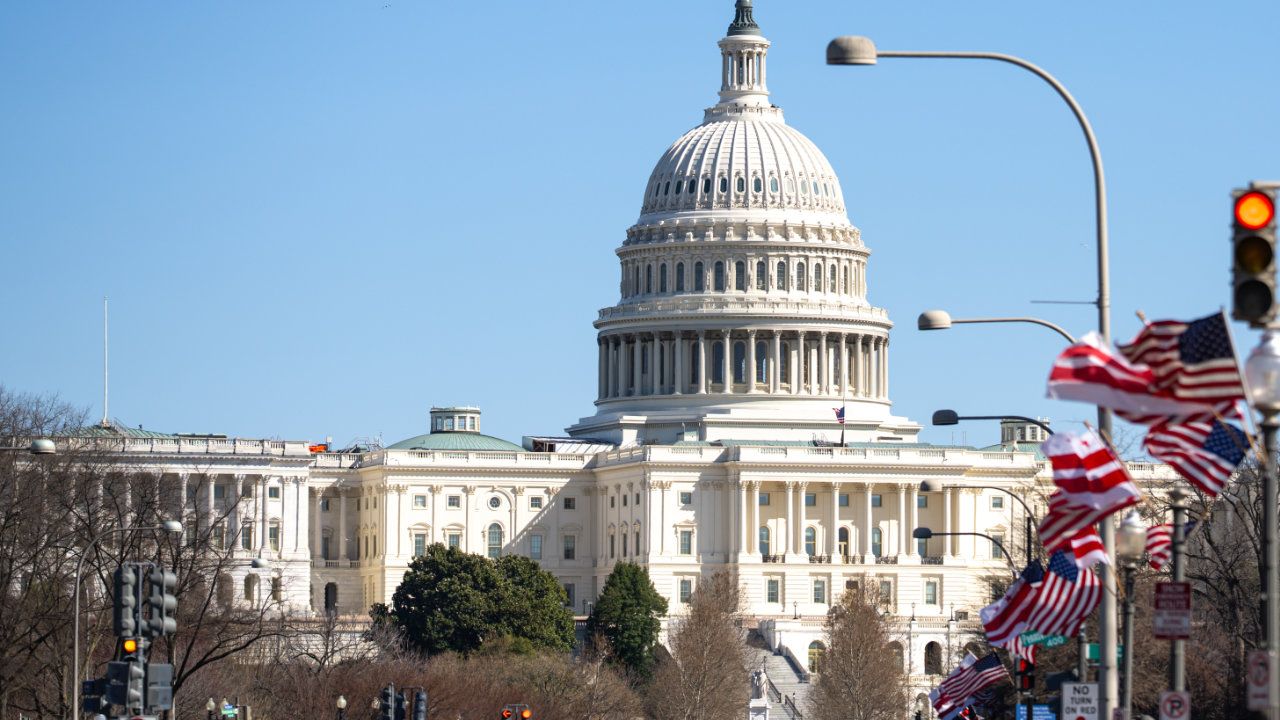
The Digital Asset Market Clarity Act is awaiting potential Senate floor action as Senate leaders consider whether to schedule a vote before attention shifts to the midterm elections. Mason Lynaugh, executive director of Stand With Crypto, called on Senate leaders on June 25 to move forward, saying the bill would introduce long-awaited federal guidelines for the digital asset sector.
The legislation comes after months of bipartisan discussions focused on building a regulatory structure for digital asset markets. Lynaugh explained that crypto users, developers, and companies have continued to operate without a clear federal framework, creating ongoing uncertainty across the industry.
He warned:
“There’s a limited window to get this done, with few remaining days left in the current Congress before the midterm elections. If Senate leaders don’t schedule a CLARITY Act vote in the coming weeks, an enormous amount of bipartisan work, compromise, and progress, could be wasted.”
The 2026 U.S. midterm general election takes place on Nov. 3, 2026. The Senate’s tentative calendar includes extended state work periods in late summer and from Oct. 5 through Nov. 6, leaving a limited window for lawmakers to consider major legislation before Election Day.
Consumer Protection and Industry Certainty Drive CLARITY Act Push
Stand With Crypto said the CLARITY Act would strengthen consumer protections while giving developers and fintech firms more confidence to create products in the United States. Lynaugh also wrote that the bill could help address long-standing uncertainty surrounding digital asset regulation.
The organization represents cryptocurrency users and advocates for policies tied to digital asset adoption and oversight. It says its network includes hundreds of local chapters nationwide and more than one million members and supporters.
Polling cited by the group links the legislation to voter attitudes toward crypto regulation. Nearly three-quarters of crypto owners surveyed in Senate battleground states said they are more likely to support candidates who favor clearer cryptocurrency rules, while a similar share said they are closely following digital asset policy developments.
Survey Shows Crypto Use Extends Beyond Investing
Stand With Crypto’s research indicates digital assets are becoming part of everyday financial use. More than one-third of surveyed owners said they use crypto for personal transfers, while 21% reported using digital assets to cover monthly expenses such as housing and utilities.
The survey also found that 20% of respondents use crypto to purchase household items like groceries. Lynaugh said these findings show digital assets are increasingly integrated into routine financial activity rather than being limited to investment purposes.
Lynaugh stressed:
“It’s time to bring the bill to the Senate floor for a vote.”
Political alignment among crypto owners remains varied, according to the polling. Fifty-nine percent said they do not consistently support one political party, and nearly half said they could back candidates who share their views on crypto policy even if they differ on other issues.
The Senate has not yet scheduled a vote on the CLARITY Act. Lynaugh urged congressional leaders to move the legislation forward before the remaining legislative calendar becomes more constrained, noting that months of bipartisan work have positioned the bill for consideration.