
Birds Across Europe Flee Sooner When a Woman Approaches Than a Man, and Scientists Have No Idea Why
Key Takeaways
- Urban birds in five European countries let men get about 1 meter closer than women before fleeing, with mean flight distances of 7.5 meters versus 8.5 meters.
- The pattern held across 37 city species, from early-flushing magpies to slow-to-react pigeons, even with observers matched for height and clothing.
- Lead author Federico Morelli of the University of Turin says the cause remains unknown, with movement, scent, and physical traits flagged for follow-up tests.
In city parks from Czechia to Spain, researchers walking straight toward birds found a pattern they did not expect: the animals took off sooner when the approaching person was a woman. The team measured flight initiation distance across 37 urban species, including great tits, house sparrows, and blackbirds, and the gap held even for birds that usually bolt early, like magpies, and those that wait it out, like pigeons. On average, men could get about one meter, roughly three feet, closer before the birds fled, a result published in the British Ecological Society journal People and Nature and highlighted by ScienceDaily on 10/21/2026. The catch is that the researchers, led by University of Turin ecologist Federico Morelli, say they still cannot explain what is driving the difference.
A small human detail, and a measurable bird response
If you spend time in city parks, you already know the routine: a pigeon or sparrow watches you, waits, then decides whether to bolt. A new wrinkle, highlighted in an October 2026 ScienceDaily write-up, is that this decision can shift based on who is walking up. Urban birds in five surveyed European countries fled sooner when approached by women than by men.
What the researchers measured in real parks
The underlying peer-reviewed work, People and Nature, is titled “Sex matters: European urban birds flee approaching women sooner than approaching men.” It focuses on “flight initiation distance,” or FID, the point at which a bird stops tolerating your approach and takes off.
In the protocol described in coverage, male and female participants were matched for height and clothing, then walked in a straight line directly toward birds in city parks and other urban green spaces. “Flight initiation distance (FID) is often used as a tool to investigate the cost-benefit trade-offs related to the risk of predation,” the study authors wrote.
Across 37 species, the gap stayed in place
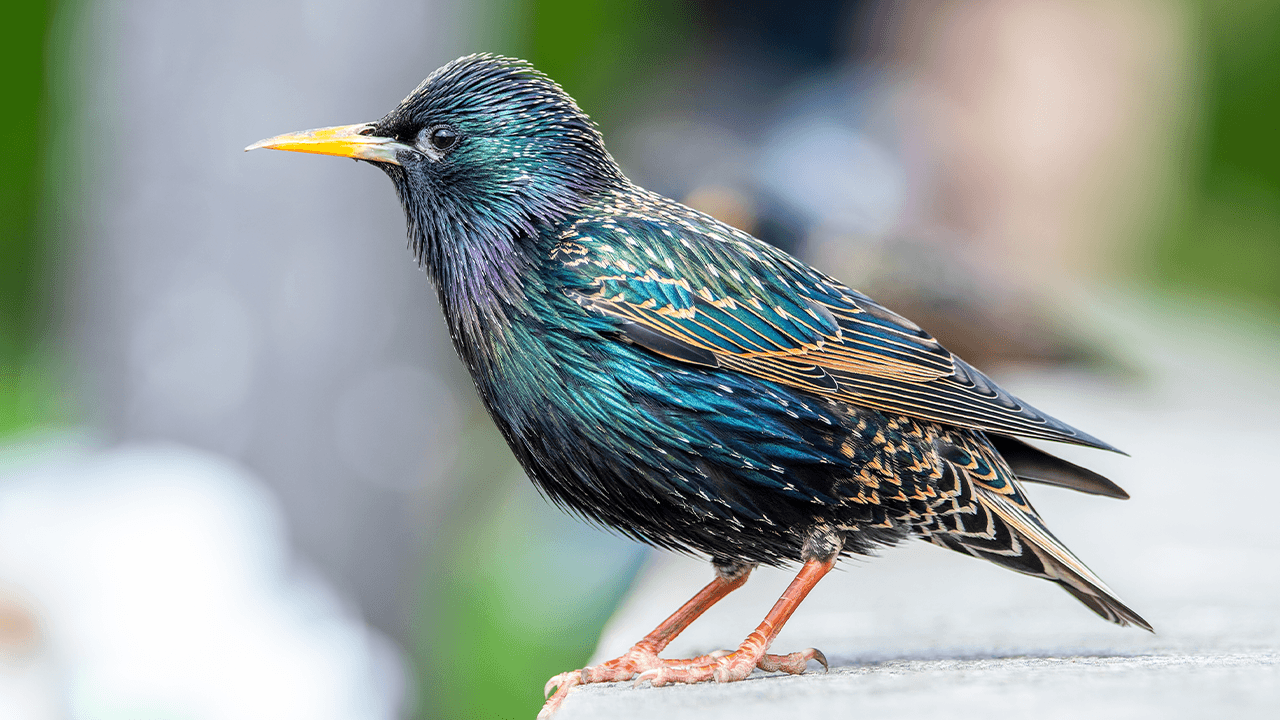
The team tracked 37 bird species in cities across Czechia, France, Germany, Poland, and Spain. Familiar urban birds were included, such as great tits, house sparrows, and blackbirds, and the pattern held even when comparing species that usually flush early (like magpies) versus those that often wait longer (like pigeons).
On average, men could get about 1 meter, roughly 3 feet, closer before birds flew. One outlet summarized the mean FID as 8.5 meters for female observers versus 7.5 meters for male observers, putting a clean number on a difference that is easy to picture on a sidewalk.
No tidy explanation yet, but a clear next step
The corresponding author, Federico Morelli of the University of Turin, put the headline result plainly: “Our study revealed that, after accounting for other variables influencing significant variation in FID, birds on average tended to escape from a distance of about one meter longer when approached by women compared to men.”
What cues are birds actually reacting to, if not simply “sex” as a label? The researchers pointed to follow-up tests that separate possible drivers, including movement patterns, scent cues, or physical traits, rather than bundling everything into the observer’s sex. The author list also includes Daniel T. Blumstein (UCLA), alongside collaborators from multiple European institutions.