
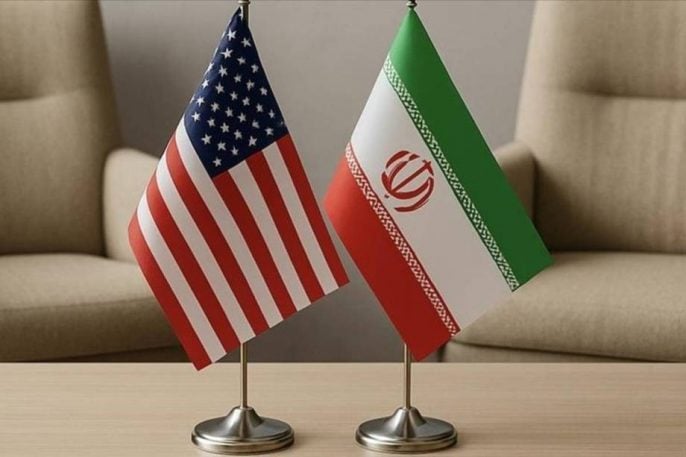
The war weakens US alliances as Iran remains defiant
The ongoing US-Israel-Iran conflict is straining US alliances, with Iran showing no signs of backing down. Ceasefire by April 7 is at 8.5% YES, down from 10% 24 hours ago.
Traders are reacting to news that the war is sapping US diplomatic strength. Iran continues to apply pressure through economic means and military tactics, keeping the chances of a near-term ceasefire low. The April 15 market sits at 18.5% YES, reflecting skepticism about a quick resolution. The largest jump occurs between April 15 and April 30, where the odds increase by 20 points, suggesting traders anticipate developments in mid-April.
In the US forces enter Iran by April 30 market, odds are at 52.5% YES, slightly down from 57% a day ago. The potential for military escalation remains, given Iran’s continued aggression and the US’s threat of massive retaliation. The term structure indicates an expected catalyst before April 30, with a 12-point jump in odds toward year-end.
Daily trading in the ceasefire markets is heavy, with $1,365,780 in actual USDC changing hands. It takes $15,138 to shift the April 7 market by 5 points, indicating a relatively thin book where a sizable order can move the market. The largest price move in the last 24 hours was a 4-point spike in the April 30 market, likely due to a significant buy order.
The ongoing conflict signals a prolonged stalemate, with Iran leveraging asymmetric tactics and the US facing alliance cohesion challenges. At 8¢, a YES share for an April 7 ceasefire pays $1 if it resolves — a 12.5x return. To bet on this, you’d need confidence in a diplomatic breakthrough within five days, a long shot given the current geopolitical climate.
Watch for developments involving intermediaries like Oman and Qatar, as well as any shifts in rhetoric from key actors like Trump and Rubio. These could influence market perceptions and trigger price movements.
Markets Impacted
Get prediction market intelligence as a structured API feed. Early access waitlist.