
8 African Nations Advance Crypto Regulation as Adoption Accelerates Across Emerging Markets – Regulation Bitcoin News
Key Takeaways:
- Ripple highlights 8 African nations advancing crypto regulation, led by South Africa licensing rules.
- Nigeria, Kenya, and Mauritius frameworks boost adoption, with stablecoins rising in trade flows.
- Ghana, Botswana, and Ethiopia signal next wave, targeting broader compliance rollout through 2026.
Africa Crypto Regulations Expand Across Key Markets
Evolving policy approaches worldwide are beginning to redefine how digital asset ecosystems develop in emerging markets. Ripple, a company focused on blockchain-based payment solutions, released findings on April 6 that examine how African nations are approaching crypto regulation at different stages of maturity. The insight underscores a combination of rising usage, gradual policy coordination, and ongoing investment in financial infrastructure, with emphasis on how regulatory paths differ across jurisdictions rather than follow a single model.
Ripple stated:
“As activity grows across the continent, regulators in several key jurisdictions are moving quickly to set the stage for the next phase of Africa’s digital asset ecosystem.”
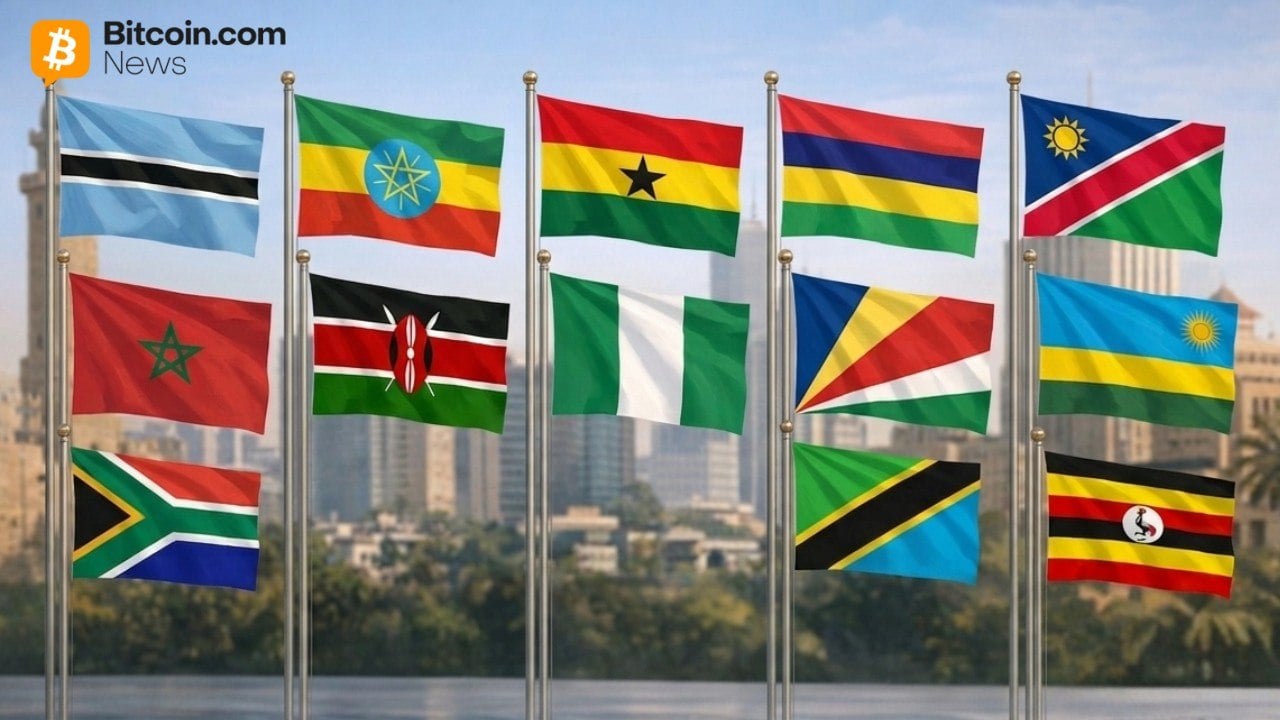
South Africa has positioned itself as one of the most advanced regulatory environments on the continent, formally treating crypto assets as financial instruments and requiring service providers to register and comply with oversight bodies such as the FSCA and FIC. In Kenya, authorities have moved forward with a legal framework for virtual asset providers, dividing supervisory responsibilities between monetary and capital markets regulators, while continuing to refine the framework through stakeholder consultation and iterative policy adjustments.
Mauritius continues to expand its regulatory toolkit, building on earlier initiatives by broadening licensing categories and clarifying its stance on stablecoin-related activity, with ongoing work aimed at establishing clearer long-term rules for issuance and use. Nigeria, meanwhile, has shifted toward formal recognition of digital assets within its securities framework, while also relaxing earlier banking constraints and experimenting with supervised compliance environments, reflecting a more pragmatic and engagement-driven regulatory approach.
Regulatory Activity Broadens Across the Region
Beyond these key markets, the insight identifies a wider group of countries beginning to formalize their approach to digital assets, contributing to a more interconnected and steadily evolving regulatory landscape. Ghana has introduced initial compliance measures, including registration requirements, which serve as a foundation for more comprehensive oversight in the future.
Botswana, Namibia, and Seychelles are at various stages of drafting or implementing crypto-focused regulations, with an emphasis on defining licensing processes and ensuring adherence to compliance standards. These developments highlight a gradual but intentional move toward regulatory consistency across the region, as policymakers seek to establish clearer entry conditions for market participants. Ripple noted:
“Today, roughly eight African countries have implemented some form of crypto-specific regulation, with additional jurisdictions working toward formal frameworks.”
Elsewhere, countries such as Ethiopia, Morocco, Rwanda, Tanzania, and Uganda are still in exploratory phases, assessing how digital asset policies can be adapted to local economic structures and financial system priorities. In many cases, regulators are carefully weighing the benefits of innovation against potential systemic risks, particularly those linked to capital mobility and rapid adoption.
“Africa has long been a global leader in crypto adoption, driven by practical needs like remittances, cross-border trade and mobile-first financial services,” Ripple observed. This widespread adoption is closely linked to longstanding gaps in traditional financial systems, especially in areas such as cross-border payment efficiency and access to stable foreign currencies. As a result, digital assets are increasingly viewed as practical tools for addressing these limitations, particularly in markets where conventional banking infrastructure remains uneven or inaccessible.
Market Demand and Infrastructure Continue to Drive Growth
Underlying economic conditions continue to support both policy development and rising institutional involvement throughout the region. The success of mobile money platforms has already demonstrated the viability of digital-first financial solutions, creating a natural bridge for broader digital asset usage.
Stablecoins, in particular, are seeing expanded use cases ranging from commercial settlements to liquidity management and remittance flows, offering efficiency gains compared to legacy financial rails. At the same time, financial institutions are exploring new service offerings, including secure custody and compliance-driven platforms, to meet increasing demand from both enterprises and individual users. As regulatory clarity improves, this trend is expected to further enable institutional participation and streamline cross-border financial activity. Ripple remarked:
“Africa remains one of the world’s most compelling regions for digital asset adoption and momentum.”
Looking ahead, continued progress in regulation and greater coordination between jurisdictions could accelerate the integration of digital assets into mainstream financial systems. Sustained alignment on policy standards may ultimately support a more cohesive, scalable, and resilient digital economy across Africa, positioning the region for long-term growth and deeper global financial connectivity.